Lung cancer is often diagnosed late because early disease rarely causes symptoms. That is exactly why lung cancer screening in Jacksonville matters so much: a simple, low-dose CT scan can find lung cancer before you feel anything, when treatment tends to work best. This guide is for current and former smokers, people with a family history of cancer, and anyone wondering whether lung cancer screening is right for them.
Below, we explain who qualifies for screening, what a low-dose CT scan involves, the warning signs to know, and how modern radiation techniques like Stereotactic Body Radiation Therapy (SBRT) and Proton Therapy treat early-stage lung cancer without surgery.
Key Takeaways
- Lung cancer is the leading cause of cancer death in the United States, according to the American Cancer Society.
- Low-dose CT screening is recommended for adults ages 50 to 80 with a history of smoking.
- Screening uses a low-dose CT scan that takes only minutes and involves far less radiation than a standard CT.
- Stereotactic Body Radiation Therapy (SBRT) and Proton Therapy can treat early-stage lung cancer in as few as 5 treatments.
- Ackerman Cancer Center provides on-site low-dose CT screening and multiple radiation options under one roof, reducing time from diagnosis to treatment.
Why Lung Cancer Screening Saves Lives
Most lung cancers are found at a late stage because early tumors usually cause no symptoms. By the time symptoms appear, the cancer may have grown or spread, which makes treatment harder. Screening flips that timeline by looking for cancer before symptoms start.
The American Cancer Society reports that lung cancer is the leading cause of cancer death in both men and women, accounting for about 1 in 5 of all cancer deaths. Yet when lung cancer is caught at an early, localized stage, survival rates improve substantially.
The Evidence Behind Screening
Large clinical trials found that screening high-risk individuals with low-dose CT reduced lung cancer deaths compared with chest X-rays. Based on these findings, the U.S. Preventive Services Task Force recommends annual low-dose CT screening for eligible adults. Early detection is the single most important factor in improving lung cancer outcomes.
Who Should Be Screened
The U.S. Preventive Services Task Force recommends yearly low-dose CT screening for adults who meet all of the following criteria:
- 50 to 80 years old
- A 20 pack-year smoking history or more (for example, one pack a day for 20 years)
- Currently smoke or quit within the past 15 years
A pack-year is a way to measure smoking history: packs per day multiplied by years smoked. If you are unsure whether you qualify, your physician can help you calculate your pack-year total and decide if screening is appropriate.
If you are interested in a Low-dose CT and do not meet the qualifications outlined to be approved by your insurance, Ackerman Cancer Center offers a self-pay rate of $240.00.

What to Expect From a Low-Dose CT Scan
If screening sounds intimidating, it should not. A low-dose CT lung screening is quick, painless, and does not require needles or dye for scan.
The Low-Dose CT Scan Itself
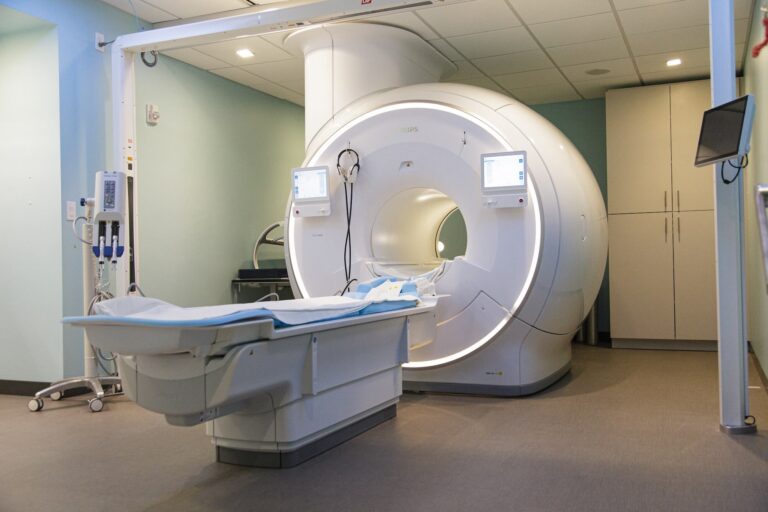
You will lie on a padded table that slowly moves through a large, doughnut-shaped CT scanner while it takes detailed images of your lungs. The scan itself takes only a few minutes. You can breathe normally for most of the exam and will be asked to hold your breath briefly while the images are captured. The scanner never encloses your entire body, and the test is noninvasive.
As its name suggests, a low-dose CT scan uses significantly less radiation than a standard diagnostic chest CT while still producing detailed images that can detect very small lung abnormalities. After the scan, you can return to your normal daily activities immediately.
Understanding Your Results
A radiologist will review your scan and share the results with your healthcare provider. Most findings are not cancer. If anything needs further evaluation, your provider will explain the results and recommend the appropriate next steps, which may include routine annual screening, a follow-up scan, or additional testing. Ackerman Cancer Center offers on-site diagnostics, so follow-up imaging and biopsies can happen without a scramble for outside referrals. Learn more on our screening and diagnostic services page.
Recognizing Lung Cancer Symptoms
Screening is for people without symptoms. If you already have symptoms, you need a diagnostic workup, not just a screening scan. According to the American Cancer Society, warning signs can include:
- A cough that does not go away or gets worse
- Coughing up blood or rust-colored phlegm
- Chest pain that worsens with deep breathing or coughing
- Hoarseness
- Unexplained weight loss and loss of appetite
- Shortness of breath or new wheezing
- Feeling tired or weak
These symptoms can be caused by many conditions other than cancer, but any that persist should be evaluated by a physician promptly.
Treatment Options for Lung Cancer
Treatment depends on the type of lung cancer (non-small cell versus small cell), the stage, and your overall health. Options may include surgery, radiation therapy, chemotherapy, immunotherapy, targeted drugs, or a combination. Radiation oncology plays a central role, especially for patients seeking alternative treatments to surgery.
SBRT for Early-Stage Lung Cancer
Stereotactic Body Radiation Therapy, or SBRT, is a highly precise form of radiation that delivers very high doses to a small target in a few sessions. For early-stage non-small cell lung cancer in patients who are not surgical candidates, SBRT can be an effective, non-invasive option, often completed in as few as 5 treatments.
The American Society for Radiation Oncology recognizes SBRT as a standard option for selected early-stage lung tumors. Because it is so focused, SBRT limits dose to healthy lung tissue around the tumor.
Other Radiation Approaches
For more advanced disease, techniques like IMRT and IGRT shape and guide the radiation precisely, sometimes combined with chemotherapy. Proton therapy may also be considered in select cases to reduce dose to the heart and healthy lung. Because Ackerman Cancer Center offers all modalities under one roof, physicians can compare options and match the plan to the patient, a philosophy detailed on The Ackerman Advantage page.
Treatment at a Glance
| Approach | Typical Use | Sessions | Key Benefit |
|---|---|---|---|
| SBRT | Early-stage, non-surgical | 3 to 5 | Precise, non-invasive |
| IMRT / IGRT | Locally advanced | Multiple over weeks | Shaped, image-guided dose |
| Proton therapy | Select cases | Varies | Spares heart and lung |
| Surgery | Operable early-stage | One procedure | Removes the tumor |
Frequently Asked Questions
Who qualifies for lung cancer screening?
The U.S. Preventive Services Task Force recommends annual low-dose CT screening for adults ages 50 to 80 who have a 20 pack-year smoking history and either currently smoke or quit within the past 15 years. If you are unsure, your physician can calculate your pack-year history and advise whether screening is right for you.
Does a low-dose CT scan hurt?
No. A low-dose CT lung scan is painless and takes only a few minutes. You lie on a table that passes through the scanner, breathe normally, and hold your breath briefly at the end. The standard screening scan requires no needles or contrast dye.
Can lung cancer be treated without surgery?
Yes. For early-stage lung cancer Stereotactic Body Radiation Therapy (SBRT) or Proton Therapy can treat the tumor precisely in as few as 5 sessions. Other radiation techniques and systemic therapies treat more advanced disease. Your care team will recommend the best approach.
What are the early signs of lung cancer?
Early lung cancer often causes no symptoms, which is why screening matters. When signs appear, they may include a persistent cough, coughing up blood, chest pain, hoarseness, shortness of breath, or unexplained weight loss. Any persistent symptom should be evaluated by a physician.
How much radiation is in a low-dose CT scan?
A low-dose CT scan uses significantly less radiation than a standard diagnostic CT scan, which is why it is considered appropriate for annual screening in high-risk people. The benefit of finding lung cancer early is generally viewed as outweighing the small radiation exposure for eligible patients.
Take Control With Early Detection
Lung cancer is the leading cause of cancer death, but early detection through low-dose CT screening changes the odds dramatically, and treatments like SBRT and Proton Therapy can address early tumors without surgery. If you meet the criteria for lung cancer screening in Jacksonville, this quick, painless scan could be one of the most important appointments you make this year.
Ackerman Cancer Center offers on-site low-dose CT screening, same-day diagnostics, and every radiation modality under one roof. If you qualify or simply want to understand your risk, contact us to schedule a consultation. Real people answer the phone, and we are here to guide you.
Medical disclaimer: This article is for general educational purposes and is not medical advice. Screening eligibility and treatment decisions should be made with a qualified physician who has reviewed your individual history. Statistics reflect population-level data and do not predict individual outcomes.