Good nutrition during cancer treatment can help you keep up your strength, tolerate therapy better, and recover more comfortably. This guide offers practical, evidence-based strategies for patients undergoing treatment and the caregivers preparing their meals.
Below, we cover how to build reserves before treatment, what to eat during radiation, foods that generally support your body, foods and habits to be cautious about, and how to manage specific side effects through diet. Our aim is realistic, food-first guidance, not superfood hype.
Key Takeaways
- Eating enough protein and calories helps your body repair tissue and maintain strength during treatment.
- The American Institute for Cancer Research recommends a plant-forward pattern rich in vegetables, fruits, whole grains, and beans.
- During immune-suppressed periods, food safety matters: avoid raw or undercooked foods and unpasteurized products.
- Small, frequent meals help manage nausea, fatigue, and loss of appetite.
- A Social Worker or Case Manager at Ackerman Cancer Center can help guide you to personalized resources
Building Reserves Before Treatment Begins
Entering treatment well-nourished can help you better tolerate therapy and maintain your weight and strength.
Focus on Protein and Calories
Protein helps your body repair tissue and support immune function, both of which are taxed during cancer treatment. Aim to include a protein source at each meal, such as eggs, poultry, fish, dairy, beans, or tofu. If your appetite is strong now, this is a good time to establish habits you can lean on later.
The National Cancer Institute notes that maintaining a healthy weight and adequate nutrition before and during treatment supports better outcomes and recovery. Do not try to start a restrictive diet during this period unless a physician specifically directs it.
Stock a Practical Kitchen
Preparation reduces stress later. Keep easy, nutrient-dense options on hand:
- High-protein staples like Greek yogurt, eggs, canned beans, and nut butter
- Freezer-friendly cooked meals for low-energy days
- Nutrition shakes for days when you need something on the go
- Ingredients for simple foods that are easy to prep
Eating During Radiation
Treatment can change how food tastes, how your stomach feels, and how much energy you have. The goal shifts from “perfect” eating to “enough” eating, meaning enough calories, protein, and fluids to keep you going.
Staying Hydrated
Hydration supports nearly every body system and helps manage fatigue and constipation. Aim for steady fluid intake throughout the day. In addition to water, try broth, diluted juice, herbal tea, or water infused with fruit to keep your body hydrated.
Foods That Generally Support Your Body
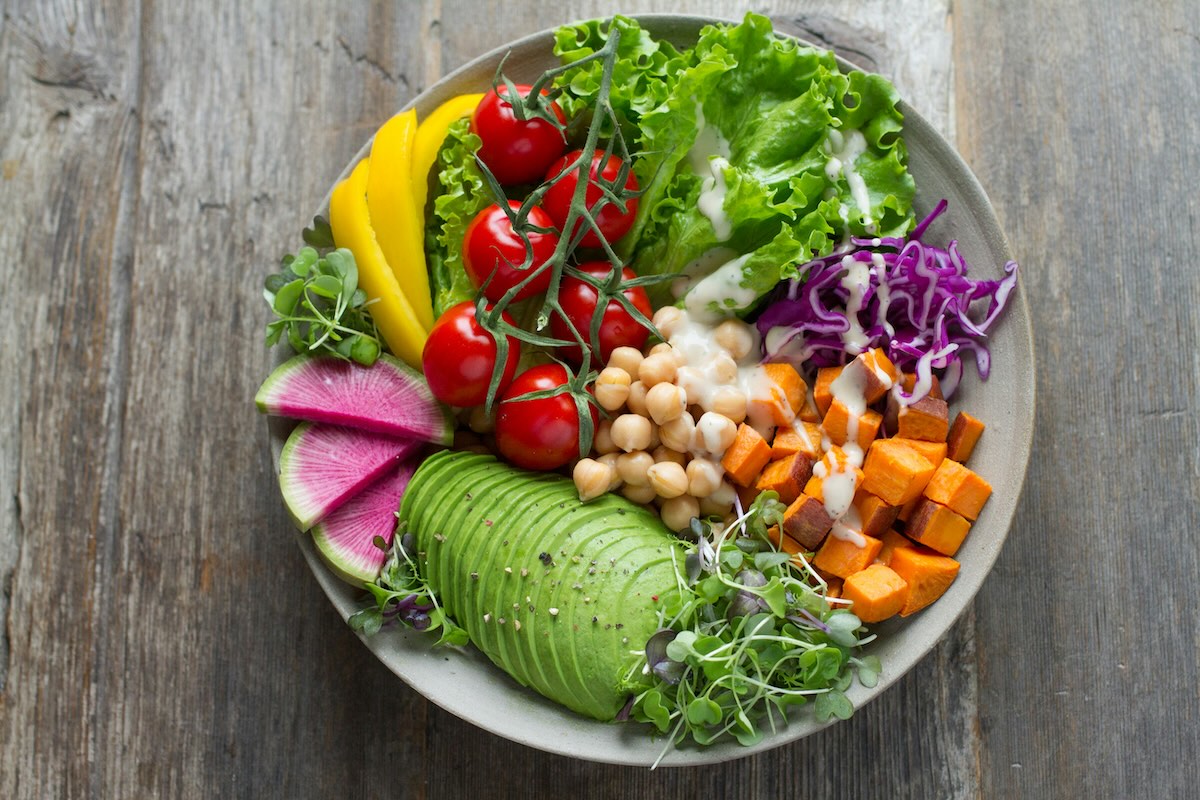
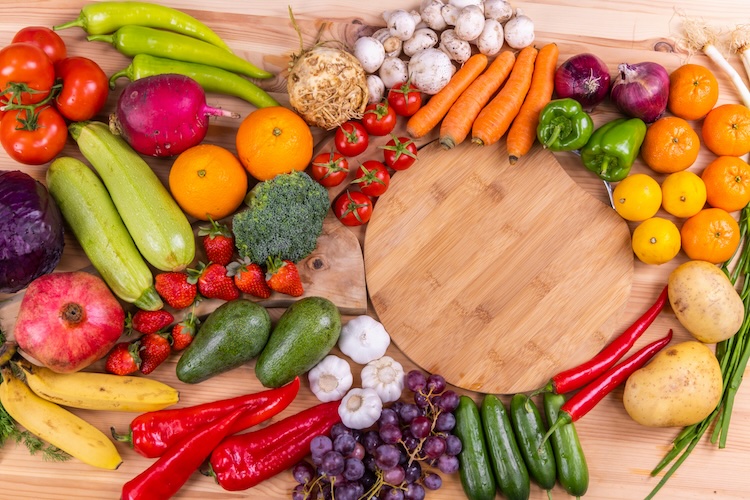
The American Institute for Cancer Research recommends a plant-forward eating pattern that fills most of your plate with vegetables, fruits, whole grains, and legumes, along with adequate protein from sources such as fish, poultry, beans, lentils, eggs, tofu, or low-fat dairy. Aim to include a variety of colorful produce, such as leafy greens, berries, broccoli, carrots, peppers, and tomatoes, along with whole grains like oats, brown rice, and whole wheat. These foods provide fiber, vitamins, minerals, and antioxidants that support overall health. There is no single “cancer-fighting” food, so focus on building balanced, nutritious meals rather than relying on individual superfoods.
Foods and Habits to Be Cautious About
Just as important as what to eat is what to limit, especially during periods when your immune system is weakened by treatment.
Food Safety During Immune Suppression
Some cancer treatments can weaken your immune system, making food safety especially important. If your care team advises extra precautions, the National Cancer Institute advises to avoid:
- Raw or undercooked meat, poultry, seafood, and eggs
- Unpasteurized milk, cheese, and juices
- Raw sprouts and unwashed fruits and vegetables
- Deli meats and leftovers unless reheated until steaming hot
Wash your hands before preparing or eating food, rinse fresh produce thoroughly, cook foods to safe temperatures, and refrigerate leftovers promptly. When in doubt, heat it thoroughly before eating.
Alcohol and Highly Processed Foods
If you drink alcohol, it is best to limit or avoid it during radiation therapy. Alcohol can contribute to dehydration, irritate tissues being treated, and worsen side effects such as mouth sores, nausea, or diarrhea. It may also interact with certain medications used during cancer treatment. If you choose to drink alcohol, talk with your care team about what is appropriate for your individual treatment plan. The American Institute for Cancer Research also recommends limiting highly processed foods, sugary drinks, and processed meats as part of a healthy overall pattern.
Managing Side Effects Through Diet
Specific side effects call for specific strategies. Small adjustments can make eating far more manageable.
Side Effect Strategies
| Side Effect | Helpful Strategies |
|---|---|
| Nausea | Bland foods, ginger, small frequent meals, eat cool or room-temperature foods |
| Taste changes | Season with herbs, try plastic utensils for metallic taste, marinate proteins |
| Mouth sores | Soft, moist foods, avoid acidic or spicy items, smoothies and shakes |
| Loss of appetite | Nutrient-dense snacks, eat by the clock, add calories to small portions |
| Constipation | More fiber, fluids, and gentle movement as tolerated |
| Diarrhea | Bananas, rice, applesauce, toast, extra fluids to replace losses |
When to Ask for Help
If you are losing weight quickly, cannot keep food or fluids down, or are struggling to eat for more than a day or two, tell your care team. These are not problems to tough out alone. A licensed clinical social worker or case manager can tailor recommendations to your treatment, side effects, and preferences.
How Ackerman Cancer Center Supports Your Nutrition
Nutrition is a core part of the whole-patient care model at Ackerman Cancer Center. A licensed clinical social worker or case manager are available to help you build recommendations for a plan that fits your treatment and lifestyle.
This approach to assisting with nutritional guidance reflects our belief that we treat the whole patient, not just cancer. Explore these services on our Whole-Patient Care page and find additional tools on our patient resources page. For ongoing connection, our support programs include monthly virtual groups.
Frequently Asked Questions
What should I eat during radiation therapy?
Focus on adequate protein, fiber, and calories with a plant-forward pattern of colorful vegetables and fruits, whole grains, and legumes. Small, frequent meals help when appetite is low.
Are there foods to avoid during cancer treatment?
During immune-suppressed periods, avoid raw or undercooked meat, fish, and eggs, unpasteurized dairy and juices, raw sprouts, and unwashed produce while also limiting alcohol consumption.
Can I take vitamins and supplements during treatment?
Not without checking first. Some supplements, including high-dose antioxidants and certain herbs, can interfere with cancer treatment. More is not better. Always review any vitamins, herbs, or supplements with your care team before taking them so they can confirm safety with your specific therapy.
Will a special diet cure my cancer?
No diet cures cancer, and you should be cautious of claims that promise this. Good nutrition supports your strength, treatment tolerance, and recovery, but it works alongside your medical treatment, not instead of it. Follow evidence-based guidance from organizations like the American Institute for Cancer Research and your care team.
Nourish Your Body Through Treatment
Nutrition during cancer treatment is not about perfection. It is about giving your body enough fuel and protein to stay strong, managing side effects with practical strategies, and staying safe with good food handling when your immune system is vulnerable. Small, steady steps add up, and you do not have to figure it out alone.
The team at Ackerman Cancer Center is here to help you build a nutrition plan that fits your treatment and your life. Contact us to learn how our whole-patient care supports you from diagnosis through recovery. We treat the whole patient, and we are here for you.
Medical disclaimer: This article is for general educational purposes and is not medical or nutritional advice for any individual. Nutritional needs vary during cancer treatment. Always consult your physician or care team before changing your diet or taking supplements, especially during active treatment.