Few diagnoses cause as much worry as pancreatic cancer, and much of that fear comes from how often it is found late. Understanding pancreatic cancer symptoms, the risk factors, and the treatment options available can help you or a loved one feel more informed and less overwhelmed. This guide is written for people with risk factors, those noticing possible warning signs, and caregivers supporting a newly diagnosed patient.
We will explain why pancreatic cancer is hard to catch early, the symptoms worth taking seriously, how the disease is diagnosed and staged, and the treatments that can help, including precision radiation and proton therapy. Throughout, our tone is honest and hopeful, grounded in evidence-based medicine.
Key Takeaways
- Pancreatic cancer often shows no symptoms in its early stages, which contributes to late diagnosis.
- Warning signs can include jaundice, unexplained weight loss, abdominal or back pain, and new-onset diabetes.
- Major risk factors include smoking, age, obesity, chronic pancreatitis, and family history.
- Treatment may combine surgery, chemotherapy, and radiation, including proton therapy for precise targeting near sensitive organs.
- On-site diagnostics support faster answers, and whole-patient care supports the person, not just cancer.
Why Pancreatic Cancer Is Hard to Detect Early
The pancreas sits deep in the abdomen, behind the stomach, where it produces enzymes for digestion and hormones like insulin. Because of this hidden location, small tumors often do not press on anything or cause noticeable symptoms until they have grown or spread.
According to the American Cancer Society, pancreatic cancer accounts for a relatively small share of new cancer cases but a larger share of cancer deaths, largely because it is frequently diagnosed at an advanced stage. There is currently no recommended routine screening for people at average risk, unlike mammograms for breast cancer or colonoscopies for colorectal cancer.
The Importance of Awareness
Since routine screening is not available for most people, awareness of symptoms and risk factors is the most practical tool for earlier detection. Recognizing warning signs and acting quickly can make a meaningful difference in when the disease is found.
Pancreatic Cancer Symptoms to Know
Symptoms often appear only once the tumor affects nearby structures. The American Cancer Society and the National Cancer Institute describe several signs worth discussing with a physician, especially if more than one appears or they persist.
Common Warning Signs
- Jaundice, a yellowing of the skin and eyes, often with dark urine and pale stools
- Unexplained weight loss, and/or loss of appetite
- Abdominal or mid-back pain, sometimes dull and persistent
- New-onset diabetes, particularly in someone without typical risk factors
- Nausea and digestive changes, including greasy stools
- Fatigue, and/or general weakness
None of these symptoms automatically mean cancer. Many are caused by far more common, less serious conditions. The point is not to panic but to get persistent or unexplained symptoms evaluated promptly with your physician, rather than waiting.
When to See a Doctor
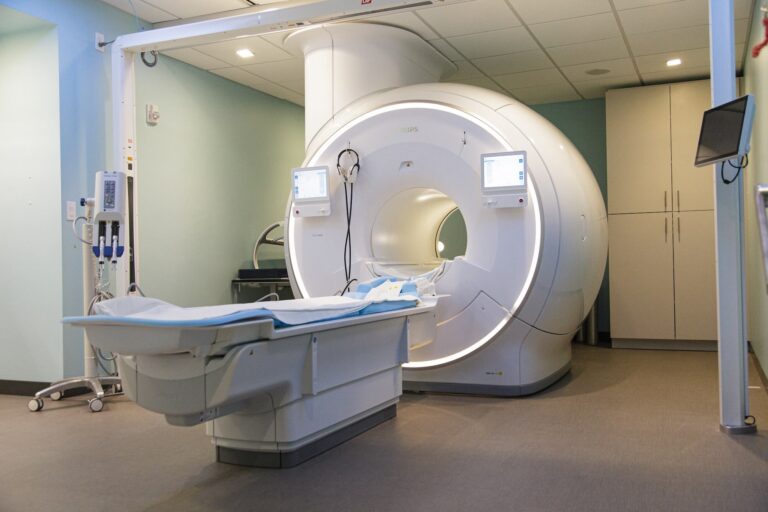
If you develop jaundice, lose weight without trying, or have persistent abdominal or back pain, contact a physician. Sudden diabetes in an adult without common risk factors also deserves a conversation. On-site imaging at Ackerman Cancer Center, including MRI and PET/CT, can help provide timely answers.
Risk Factors and Prevention
While some risk factors cannot be changed, understanding them helps you and your doctor assess your situation. The National Cancer Institute identifies several established risk factors.
Key Risk Factors
- Smoking, one of the most significant modifiable risks
- Age, with most cases occurring after 60
- Obesity, and/or physical inactivity
- Chronic pancreatitis, long-term inflammation of the pancreas
- Diabetes, which has a complex, two-way association with the disease
- Family history, and/or certain inherited genetic mutations
Steps That May Lower Risk
You cannot control your age or genetics, but you can reduce some risk. Not smoking is the single most impactful step. Maintaining a healthy weight, staying physically active, and limiting alcohol all support pancreatic health. People with a strong family history should talk with their physician about whether genetic counseling or specialized surveillance is appropriate.
How Pancreatic Cancer Is Diagnosed and Treated
Diagnosis typically involves imaging such as CT, MRI, or endoscopic ultrasound, along with blood tests and a biopsy to confirm the cancer. Staging then determines how far the disease has spread, which guides treatment.
Treatment Depends on Stage
Treatment is tailored to the stage, tumor location, and your overall health, and it often combines several approaches:
- Surgery may be an option when the tumor is localized and can be removed.
- Chemotherapy treats cancer throughout the body and is frequently part of the plan.
- Radiation therapy at Ackerman Cancer Center targets the tumor precisely, sometimes combined with chemotherapy.
The Role of Precision Radiation Treatment and Proton Therapy
The pancreas sits near sensitive organs like the stomach, small intestine, and kidneys, which makes precision especially important. Advanced radiation techniques such as SBRT deliver high, focused doses, while proton therapy uses the Bragg peak effect to concentrate dose in the tumor and reduce dose to nearby healthy tissue.
Ackerman Cancer Center is the world’s first and only private, physician-owned proton therapy center, and it offers all radiation modalities under one roof. This means physicians can compare options and choose the approach best suited to your case, a philosophy explained on The Ackerman Advantage page. Learn more about proton therapy on The Positive Power of Protons.
Treatment Approaches at a Glance
| Approach | Typical Role | Consideration |
|---|---|---|
| Surgery | Localized, resectable tumors | Not all tumors are operable |
| Chemotherapy | Systemic treatment | Often combined with other options |
| SBRT | Focused, high-dose radiation | Precise targeting in few sessions |
| Proton therapy | Select cases near sensitive organs | Reduces dose to healthy tissue |
Support Beyond Treatment
A pancreatic cancer diagnosis affects the whole person and their caregivers. That is why care at Ackerman Cancer Center, the team includes oncology-certified nurses, oncology social workers, medical assistants, board-certified nurse practitioners. Nutrition support is especially valuable, since pancreatic cancer can affect digestion and appetite. Explore these resources on our Whole-Patient Care page.
The Ackerman Cancer Foundation also provides non-treatment related financial assistance such as transportation assistance, with 100% of donations going directly to patients.
Frequently Asked Questions
What are the first symptoms of pancreatic cancer?
Early pancreatic cancer often causes no symptoms. When signs appear, they may include jaundice (yellowing of the skin and eyes), unexplained weight loss, abdominal or sudden back pain, and new-onset diabetes. These symptoms have many causes, but persistent or unexplained ones should be evaluated by a physician promptly.
Is there a screening test for pancreatic cancer?
No. There is currently no recommended routine screening test for people at average risk. People with a strong family history or certain genetic syndromes may qualify for specialized surveillance. Because routine screening is not available, awareness of symptoms and risk factors is the most practical tool for earlier detection.
Can proton therapy treat pancreatic cancer?
Proton therapy may be used in select pancreatic cancer cases. Because the pancreas sits near sensitive organs, proton therapy’s ability to concentrate dose in the tumor and reduce dose to nearby healthy tissue can be an advantage. A radiation oncologist at Ackerman Cancer Center determines whether it is appropriate for your specific case.
What are the main risk factors for pancreatic cancer?
Established risk factors include smoking, older age, obesity, chronic pancreatitis, diabetes, and family history or inherited genetic syndromes. Smoking is one of the most significant modifiable risks. Not smoking, maintaining a healthy weight, and staying active may help lower risk, according to the National Cancer Institute.
Does new-onset diabetes mean pancreatic cancer?
Not usually. Most new diabetes is unrelated to cancer. However, sudden diabetes in an older adult without typical risk factors can occasionally be an early sign of pancreatic cancer. If you develop new diabetes along with weight loss or abdominal pain, discuss it with your physician.
Facing Pancreatic Cancer With Support and Expertise
Pancreatic cancer is serious, but knowledge is power. Recognizing pancreatic cancer symptoms early, understanding your risk factors, and knowing that treatments like precision radiation and proton therapy exist can help you take timely, confident action. Early evaluation of warning signs gives you the best chance at more options.
If you are concerned about symptoms or have been diagnosed, the team at Ackerman Cancer Center is ready to help with on-site diagnostics, advanced treatment options, and compassionate whole-patient care. Contact us to schedule a consultation. Real people answer the phone, and we are here for you.
Medical disclaimer: This article is for general educational purposes and is not a substitute for professional medical advice. Symptoms have many possible causes, and only a qualified physician can diagnose or rule out disease. Treatment decisions should be made with your care team based on your individual situation.