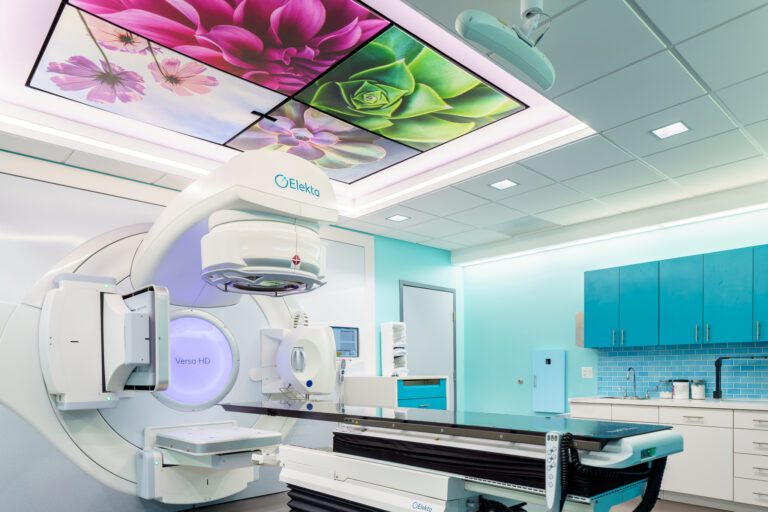
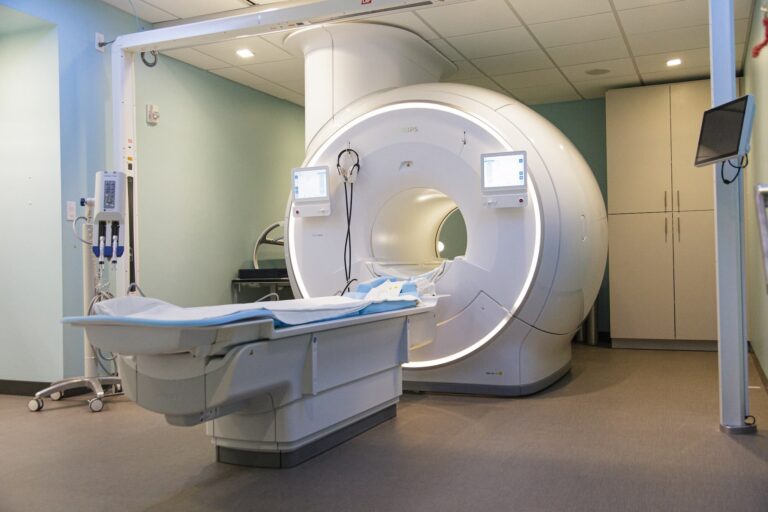
The liver is one of the body’s most vital organs, and a cancer diagnosis can feel overwhelming. Treatment has advanced significantly, and precise forms of radiation now play a growing role. Understanding how liver cancer radiation treatment works can help you and your family approach decisions with more clarity and less fear.
This article is written for people diagnosed with primary liver cancer or cancer that has spread to the liver, as well as caregivers researching options in Northeast Florida. It explains two precise techniques, stereotactic body radiation therapy and proton therapy, and how they protect healthy liver tissue. This is educational information, not a substitute for a personalized evaluation.
Medically reviewed by Scot Ackerman, MD, FACR, board certified radiation oncologist
Key Takeaways
- The American Cancer Society estimates about 41,000 new cases of primary liver cancer in the United States each year.
- Radiation is often used when surgery is not possible, when patients await a transplant, or to control tumors that have spread to the liver.
- Stereotactic body radiation therapy (SBRT) delivers a high, focused dose in a few sessions.
- Proton therapy can reduce the dose to surrounding healthy liver, which matters because preserving liver function is critical.
- Ackerman Cancer Center offers both proton therapy and advanced photon techniques, allowing physicians to compare options for each patient.
Understanding Liver Cancer
Primary liver cancer begins in the liver itself. The most common type is hepatocellular carcinoma, which often develops in people with underlying liver disease such as cirrhosis or chronic hepatitis. Cancer can also spread to the liver from other organs, which is called liver metastasis. For an overview of every option we offer, visit our liver cancer treatment page.
Because the liver has a large reserve capacity, early liver cancer may cause no symptoms. As tumors grow, warning signs can include upper abdominal pain, unexplained weight loss, loss of appetite, yellowing of the skin or eyes, and abdominal swelling. According to the National Cancer Institute, people with cirrhosis or chronic hepatitis benefit from regular monitoring because it improves the chance of finding tumors early.
Why Preserving Healthy Liver Tissue Is Critical
Unlike some organs, the liver performs functions essential to survival, from filtering toxins to producing proteins that help blood clot. Any treatment must balance destroying the tumor against protecting enough healthy liver to keep the organ working. This is exactly where precise radiation techniques become valuable.
Radiation Options for Liver Cancer
Stereotactic Body Radiation Therapy (SBRT)
SBRT delivers highly focused, high-dose radiation to a liver tumor from multiple angles, across three to five outpatient sessions. Image guidance and motion management account for the way the liver moves as you breathe, so the beam stays locked on the target. Because the dose falls off sharply outside the tumor, nearby healthy liver, stomach, and bowel are spared as much as possible.
SBRT is often used for patients who cannot have surgery, who are waiting for a liver transplant, or who have a limited number of tumors.
Proton Therapy
Proton therapy uses charged particles rather than X-rays. Protons deposit most of their energy at a precise depth and then stop, a property known as the Bragg peak. This means little or no radiation continues into tissue beyond the tumor. For a liver already stressed by disease, reducing dose to the surrounding organ can help preserve function.
Ackerman Cancer Center is the world’s first private, physician-owned proton therapy center. You can learn how the technology works on the what is proton therapy page and review the cancers treated with proton therapy.
Having both proton therapy and advanced photon techniques available under one roof allows a physician to recommend the approach that fits the tumor and the patient, rather than the only tool on hand.
Who Is a Candidate for Liver Cancer Radiation Treatment?
Radiation may be appropriate when:
- Surgery is not possible because of tumor location or liver function.
- A patient is waiting for a transplant and needs tumor control in the meantime, sometimes called bridging therapy.
- A limited number of tumors have spread to the liver from another cancer.
- Other treatments have not fully controlled the disease.
The treatment plan is determined by the provider based on tumor size and number, the health of the remaining liver, and your overall condition. A radiation oncologist evaluates these factors alongside your broader care team. Because approaches are compared side by side at Ackerman Cancer Center, patients receive a balanced recommendation.
What to Expect During Treatment
| Step | What Happens |
|---|---|
| Consultation | Review of imaging, liver function, and overall health |
| Simulation | CT mapping with motion management for breathing |
| Planning | Physicist and dosimetrist design the treatment plan and dose distribution |
| Treatment | Outpatient sessions, no incision or anesthesia |
| Follow-up | Imaging to monitor tumor response and liver function |
Side effects are usually mild and temporary and may include fatigue, nausea, or a short-term change in liver blood tests. Your team monitors liver function closely throughout. Whole-patient resources, including our oncology-specialized social workers, are available and described under whole-patient care.
Frequently Asked Questions
Can liver cancer be treated with radiation instead of surgery?
Yes, for many patients. When surgery is not an option because of tumor location or reduced liver function, precise radiation such as SBRT or proton therapy can treat the tumor while protecting healthy liver tissue. A radiation oncologist can determine whether radiation is appropriate for your case.
How many radiation sessions are needed for liver cancer?
SBRT for liver tumors is typically delivered in three to five outpatient sessions. Proton therapy schedules vary based on the tumor and treatment goal. Your physician will design a plan and explain the expected number of visits during your consultation.
Is proton therapy better than standard radiation for liver cancer?
Proton therapy can reduce the radiation dose to healthy liver tissue beyond the tumor, which may be valuable when liver function is already limited. Whether it is used is determined by your provider based on your specific situation. Ackerman Cancer Center compares both approaches to recommend the most appropriate option.
Does radiation for liver cancer damage the healthy liver?
Modern techniques are designed to spare healthy liver as much as possible. SBRT concentrates the dose on the tumor, and proton therapy limits dose beyond the target. Your team monitors liver function before, during, and after treatment to protect the organ.
Can radiation help if cancer has spread to the liver?
Yes. When a limited number of tumors have spread to the liver from another cancer, SBRT can target those individual tumors. This is discussed as part of a broader treatment plan coordinated with your oncology team.
A Precise Path Forward
Liver cancer treatment has moved well beyond surgery alone. With SBRT and proton therapy, physicians can target tumors precisely while protecting the healthy liver tissue you rely on every day. Your liver cancer radiation treatment is determined by your provider after a careful evaluation of your tumor and your overall health.
To discuss whether SBRT, proton therapy, or another approach is appropriate for you, contact Ackerman Cancer Center to schedule a consultation.
This article is for general educational purposes and does not constitute medical advice. Every diagnosis is unique. Please consult a qualified physician about your specific situation. Sources include the American Cancer Society and the National Cancer Institute.