When cancer spreads to the bones, it can cause pain that interferes with sleep, movement, and daily life. There is meaningful help available. Palliative radiation for bone metastases is one of the most effective ways to reduce that pain, and understanding how it works can bring real comfort during a difficult time.
This article is written for patients living with cancer that has spread to the bones and for the family members who care for them. It explains what bone metastases are, how radiation relieves pain, what treatment involves, and what to expect afterward. This is educational information and not a substitute for personalized medical advice.
Medically reviewed by Scot Ackerman, MD, FACR, board certified radiation oncologist
Key Takeaways
- Bone is one of the most common sites where cancer spreads, especially from breast, prostate, and lung cancers.
- Palliative radiation aims to relieve pain and improve quality of life rather than cure the cancer.
- Studies summarized by the American Society for Radiation Oncology show most patients experience meaningful pain relief after treatment.
- Treatment is short, often just a few sessions.
- Radiation can also help prevent fractures and reduce the need for pain medication.
What Are Bone Metastases?
Bone metastases, sometimes called bone mets, occur when cancer cells travel from where the cancer started and grow in the bone. This is different from cancer that begins in the bone itself. The most common cancers that spread to bone include breast, prostate, and lung cancer, according to the American Cancer Society.
Common areas affected include the spine, pelvis, ribs, and the long bones of the arms and legs. Bone metastases can cause aching or sharp pain, weaken the bone and raise the risk of fracture, and in some cases press on nerves. Recognizing and treating this pain promptly is an important part of care.
Why Treating Bone Pain Matters
Uncontrolled pain affects far more than physical comfort. It disrupts sleep, limits mobility, and takes an emotional toll on patients and caregivers alike. Effective pain control can help people stay active, maintain independence, and focus on what matters most to them.
How Palliative Radiation Relieves Pain
Palliative radiation uses targeted energy to shrink tumors in the bone and calm the inflammation and pressure that cause pain. As the tumor responds, the bone often begins to heal and strengthen, which further reduces discomfort.
Palliative treatment focuses on comfort and quality of life. According to guidance summarized by the American Society for Radiation Oncology, most patients notice pain relief within a few weeks, and some feel improvement sooner.
What Radiation Can Help Accomplish
- Reduce or relieve bone pain
- Lower the amount of pain medication needed
- Strengthen weakened bone and reduce fracture risk
- Relieve pressure on nearby nerves
- Help patients return to daily activities
What to Expect During Treatment
Palliative radiation is an outpatient treatment. There is no incision and no anesthesia. The process generally follows these steps:
- Consultation. Your radiation oncologist reviews your imaging and symptoms and confirms which areas to treat.
- Simulation. A planning CT scan maps the treatment area precisely.
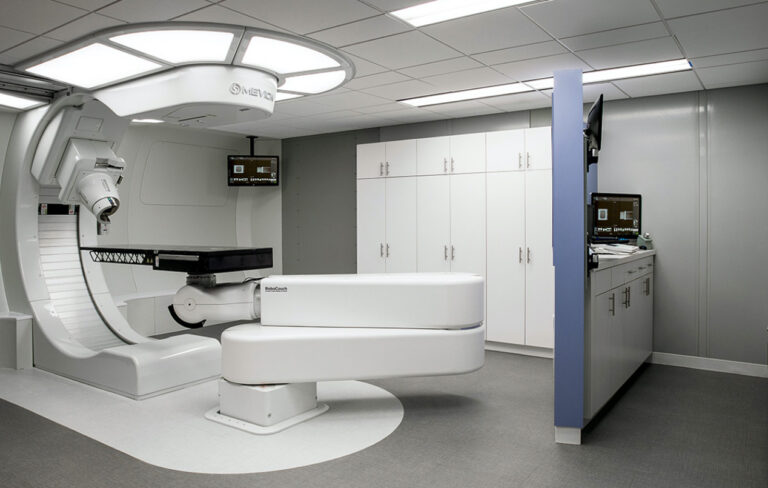
- Treatment. You lie still while the machine delivers radiation, usually in a session lasting only minutes. You feel nothing during delivery.
- Follow-up. Your team checks on your pain relief and adjusts your supportive care as needed.
Because Ackerman Cancer Center offers all radiation techniques under one roof, physicians can select the approach that best fits your situation, as described on the treatment techniques page. For some limited situations, more focused techniques such as stereotactic body radiation therapy may be considered.
Side Effects and Comfort
Side effects of palliative radiation are usually mild and depend on the area treated. They can include temporary fatigue, short-term skin changes over the treated area, and, when the treatment area is near the stomach or bowel, brief nausea. Occasionally pain briefly increases before it improves, a temporary reaction called a pain flare, which your team can help manage.
Whole-patient support is an important part of comfort-focused care. Our oncology specialized social workers and additional support services are available and outlined under whole-patient care and support programs.
Palliative Radiation at a Glance
| Feature | Detail |
|---|---|
| Goal | Relieve pain and improve quality of life |
| Setting | Outpatient, no anesthesia |
| Length | Often just a few sessions |
| Onset of relief | Days to a few weeks for most patients |
| Added benefits | Fewer pain medications, reduced fracture risk |
Frequently Asked Questions
How quickly does radiation relieve bone pain?
Many patients notice improvement within one to three weeks after palliative radiation, and some feel relief sooner. The timing varies by person and by the area treated. Your care team will follow up to track your progress and adjust supportive care as needed.
How many treatments are needed for bone metastases?
Palliative radiation for painful bone metastases is often short. Depending on the situation, it may be just a few sessions over a week or two. Your radiation oncologist will recommend a schedule based on the location, your symptoms, and your overall health.
Is palliative radiation the same as giving up on treatment?
No. Palliative radiation focuses on relieving symptoms and improving quality of life, and it can be used alongside other cancer treatments. Choosing to control pain is an active, positive step in care, not a decision to stop fighting the disease.
Does radiation for bone metastases have serious side effects?
Side effects are usually mild and temporary, such as fatigue or short-term skin changes over the treated area. Because the treatment is targeted, side effects are limited to the area being treated. Your team will explain what to expect and help you manage any discomfort.
Can radiation prevent a bone fracture?
Yes, in many cases. By shrinking the tumor and allowing the bone to heal and strengthen, radiation can reduce the risk of fracture in a weakened bone. Your physician may combine radiation with other supportive treatments to protect the bone.
Comfort Is a Priority
Living with cancer that has spread to the bones is challenging, but pain does not have to control your life. Palliative radiation for bone metastases is a safe, effective, and often quick way to relieve pain, protect weakened bone, and help you return to the activities that matter. Comfort and quality of life are central goals of good cancer care.
If you or a loved one is living with bone pain from metastatic cancer, contact Ackerman Cancer Center to discuss whether palliative radiation could help.
This article is for general educational purposes and does not constitute medical advice. Every situation is unique. Please consult a qualified physician about your specific care. Sources include the American Cancer Society and the American Society for Radiation Oncology.